We’re here to help 24/7
Frequently asked questions. Answers to our most frequently asked questions are just one click away
Medication adherence is almost as important as the medication itself.* Weight loss medication, in combination with one-on-one guidance, is the most effective option for long-term weight loss. Additionally, eMed Live Proctors offer non-clinical guidance, support, and instruction to help you follow your medical weight loss plan and adhere to manufacturer's safety guidelines. We act as an expert accountability partner in your journey.
Several GLP-1 medications have been approved by the U.S. Food and Drug Administration. These medications went through rigorous testing in clinical trials to evaluate their safety and efficacy before receiving FDA approval.
Your health and well being is our top priority. To make sure every product meets strict regulatory standards, we can’t accept returns once a blood test kit or weight loss medication has been dispensed, even if they are unused or unopened.Once your biomarker test kit is shipped or you've completed your onboarding call, your blood test kit is non-refundable.
Why we can’t accept returns
Medical products can’t be resold
Once a prescription medication or medical kit has been dispensed, it can't be returned or reused due to safety regulations that prevent the resale of these products. These regulations are in place to protect patients and ensure products that are sold are safe and effective.
Storage, handling and hygiene standards
Because our products include medicines, medical devices, and sealed goods, they must be kept within strict temperature and handling limits, and meet the highest hygiene and safety standards. After delivery, we’re unable to confirm how or where an item has been stored, which means we can’t safely accept it back to be resold or reused.
Refunds
Because we can’t accept returns on our products, we’re also unable to offer refunds once an order has been dispensed.
Common Side Effects of GLP-1
eMed provides information below regarding frequently asked questions about these medications. This is not intended to provide medical advice, and you should always seek the help of a clinician. Some side effects may be unrelated to this class of medication and should be discussed with your physician. If you are concerned that you are having a medical emergency, please seek immediate medical attention or call 911.

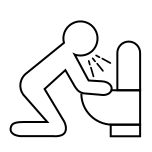
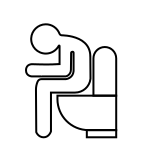

Semaglutide and tirzepatide are within the glucagon-like peptide-1 (GLP-1) and glucose-dependent insulinotropic polypeptide (GIP) class. These popular medications are effective for weight loss, but they often come with side effects.
Drinking broth, pureed foods, and smoothies are typically easier on the system when feeling symptomatic. When you start to eat solids again, stick to the BRAT diet (banana, rice, applesauce, and toast) in small quantities. If an anti-nausea medication has been prescribed, it can be useful to relieve vomiting.
Mild local reactions to injected medications can occur which include redness, swelling, or itching at the site of injection. You can apply ice to this location, keep compressing for 20 minutes and then off for 20 minutes. Please observe the area closely for enlargement of the nodule, spreading redness, fevers, or flu-like symptoms. If this were to occur, it is recommended that you seek evaluation by an in-person provider. Speak to a clinician before your next injection.
It is recommended to rotate the site of injection to avoid pain at the injection site. You can inject these medications in the abdomen, thigh, or back of your upper arm.
Especially while losing weight, these medications can increase the risk of gallstones (cholelithiasis) and gallbladder infection (cholecystitis). If you are having discomfort in the upper right abdomen, it is recommended you seek immediate medical attention.
Yes, nausea is the most common side effect when starting these medications. Symptoms typically improve as your body adjusts to the medication. To manage nausea please eat smaller and more frequent meals, as well as avoiding spicy, greasy, fried, and ultra processed foods. Eating ginger, mint, and crackers 30 minutes after taking GLP-1, and drink plenty of water can help. During your next refill visit, please disclose these side effects to the clinician.
Pancreatitis is a serious condition that causes severe pain in the upper region of the abdomen, which can be accompanied by nausea and/or vomiting. With any severe discomfort, it is recommended you seek immediate medical attention. People with a history of pancreatitis should not use these medications.
Although uncommon, allergic reactions to any medication can occur. Symptoms vary from severe (anaphylaxis) to mild (local irritation at the site of injection). Severe reactions, such as lip and tongue swelling, and shortness of breath, require immediate medical attention.
Hypoglycemia (low blood sugar) is rare but possible with these medications. Symptoms of low blood sugar include fast heartbeat, shaking, sweating, nervousness or anxiety, irritability or confusion, and dizziness, to name a few. It is important to have a habit such as drinking juice or eating if you develop these symptoms. Eating small meals throughout the day can help reduce the risk of this condition.
It’s important to inform your clinician of all your medications as some can lower blood sugar, such as insulin, sulfonylureas (glipizide, glyburide, glimepiride), and SGLT2 inhibitors (empagliflozin) or if you have a history of hypoglycemia.
Mild local reactions to injected medications can occur which include redness, swelling, or itching at the site of injection. You can apply ice to this location, keep compressing for 20 minutes and then off for 20 minutes. Please observe the area closely for enlargement of the nodule, spreading redness, fevers, or flu-like symptoms. If this were to occur, it is recommended that you seek evaluation by an in-person provider. Speak to a clinician before your next injection.
It is recommended to rotate the site of injection to avoid pain at the injection site. You can inject these medications in the abdomen, thigh, or back of your upper arm.
Diarrhea can occur and typically self-resolves over time. Make sure to keep hydrated.
Constipation can also be common. Drinking plenty of water, staying active, and eating plenty of fruits and vegetables can reduce this risk. Some people may need over-the-counter stool softener.
Pancreatitis is a serious condition that causes severe pain in the upper region of the abdomen, which can be accompanied by nausea and/or vomiting. With any severe discomfort, it is recommended you seek immediate medical attention. People with a history of pancreatitis should not use these medications.
Yes, nausea is the most common side effect when starting these medications. Symptoms typically improve as your body adjusts to the medication. To manage nausea please eat smaller and more frequent meals, as well as avoiding spicy, greasy, fried, and ultra processed foods. Eating ginger, mint, and crackers 30 minutes after taking GLP-1, and drink plenty of water can help. During your next refill visit, please disclose these side effects to the clinician.
Although uncommon, allergic reactions to any medication can occur. Symptoms vary from severe (anaphylaxis) to mild (local irritation at the site of injection). Severe reactions, such as lip and tongue swelling, and shortness of breath, require immediate medical attention.
